
Wyoming lawmakers weigh short-term revenue against long-term risks as the nuclear waste debate resurfaces.
At a Glance:
Wyoming lawmakers are again considering “temporary” nuclear waste storage.
Supporters say it could bring billions in revenue and diversify the economy.
Opponents argue that payouts are exaggerated and risks are permanent.
The debate has divided Republicans, Libertarians, and local communities.
Any facility would need explicit legislative approval under current law.
Wyoming has wrestled with the idea of storing spent nuclear fuel since at least the early 1990s. Then-Gov. Mike Sullivan rejected a Fremont County project in 1992, writing that it made no sense “to put this state or its citizens through the agonizing and divisive study and decision-making process of further evaluating the risks of an MRS facility”.
A University of Wyoming survey two years later showed 80% of residents opposed a high-level nuclear waste site.
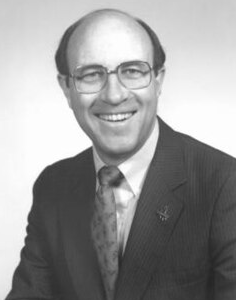
Former Gov. Mike Sullivan. Image credit WikiCommons
His rejection reflected not only public opinion at the time, but also an early understanding that even studying such projects could fracture communities and drain resources without ever producing a workable solution.
Despite this history, lawmakers continue to revisit the question. In 2019, legislative leadership even voted by email to study the possibility of temporary storage, citing the decline of coal and a need for new revenue streams.
Decisions of generational importance can easily bypass transparent scrutiny, as evidenced by the lack of public hearings or extensive discussion surrounding the vote.
The Case for Revenue
Supporters argue Wyoming cannot ignore the financial opportunity. Rep. Donald Burkhart Jr. (R-Rawlins) suggested the state could earn more than $4 billion annually by hosting nuclear waste, calling it a way to generate income simply “to let us keep it here in Wyoming”. Some lawmakers view nuclear storage as a profitable way to boost state budgets and fund public programs without raising taxes.
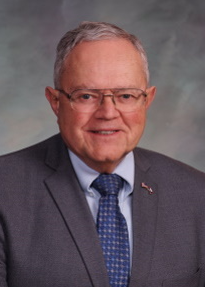
Donald E. Burkhart Jr., former Republican Representative for Wyoming’s House District 15. Image credit: Wyoming Legislature
Others note that temporary storage might align with federal spending. Sen. Jim Anderson (R-Casper) said in 2019 that the Department of Energy had previously offered Wyoming up to $1 billion per year for storage, adding:
“We’re losing a lot of revenue off coal… this is a way”.
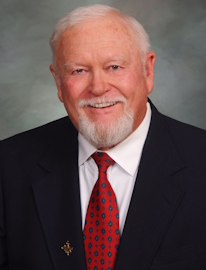
Sen. Jim Anderson (R), Senate District 28. Image credit: Wyoming Legislature
The legislature viewed nuclear storage as an immediate economic solution to bolster Wyoming’s economy, which was faltering due to the rapid decline of the coal industry. This perspective underscored a sense of urgency.
Concerns About Safety and Permanence
Critics point out that federal funding has been much smaller than billion-dollar estimates. The Department of Energy has most recently made $16–26 million available for “consent-based siting” studies, far below the promises floated by proponents.
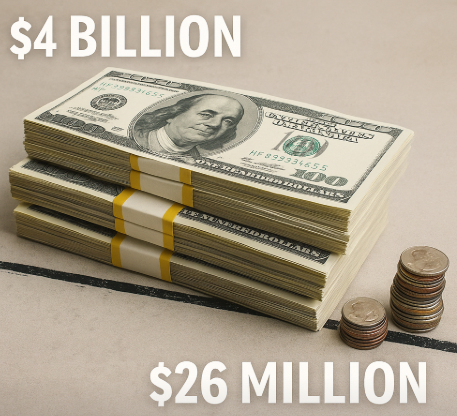
Money gap. Image created by DALL-E
That gap between projection and reality fuels skepticism that lawmakers are overselling the financial windfall while downplaying the risks Wyoming would be left holding.
They also worry that “temporary” storage could become permanent. Yucca Mountain, chosen in 1987 as the nation’s permanent repository, has been stalled for decades due to political and scientific disputes.
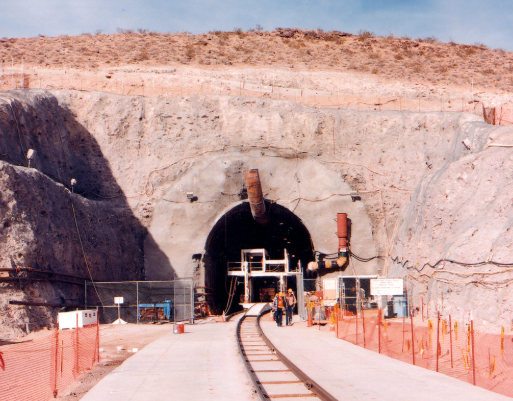
Entrance under construction at Yucca Mountain, the proposed permanent U.S. nuclear waste repository (Nov. 2007). Image credit: U.S. Nuclear Regulatory Commission
As one New Mexico lawmaker, Jeff Steinborn, put it while fighting a similar proposal:
“Even if we had [financial incentives], I don’t think any amount of money would convince me that it’s the right thing”.
His comments highlight the broader national concern: once nuclear waste arrives, communities rarely see it leave, no matter what the original promises were.

New Mexico Sen. Jeff Steinborn (D), District 36 (Doña Ana). Image credit: New Mexico Legislature
Local lawmakers echo these concerns. Rep. Kevin Campbell (R-Glenrock) warned that Wyoming should not rewrite its laws:
“…every time a venture-backed company from Silicon Valley knocks on our door,” adding, “We are not a dumping ground… we’re being played”.
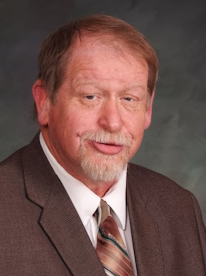
Rep. Kevin Campbell, Republican, House District 62. Image credit: Wyoming Legislator
Campbell’s statement captures a growing unease among Wyoming legislators who fear that chasing short-term deals could compromise the state’s long-term sovereignty and safety.
Divisions Among Conservatives
The debate cuts across political lines. The Wyoming Freedom Caucus came out strongly against expanding nuclear waste sites, stating:
“Wyoming must continue to be a leader in proven energy production, not settle as a dumping ground for nuclear waste from other states”.
Their position reflects a broader concern that the state’s reputation as an energy leader could be undermined if it becomes known primarily for storing radioactive waste.
Other Republicans, like Rep. Lloyd Larsen (R-Lander), have urged caution against slowing down. Larsen argued Wyoming risks losing out to states like Texas, Utah, and Tennessee if it hesitates:
“Slowing down will be detrimental to the state… we’re out ahead of them; and now we’re wanting to put on the brakes? Big mistake”.
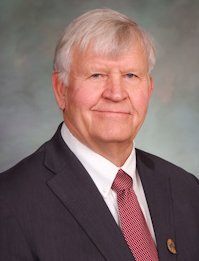
Rep. Lloyd Larsen, Republican, House District 54. Image Credit: Wyoming Legislator
His comments illustrate the competing urgency within the legislature, with some lawmakers focused on protecting the state’s image and others determined to capture new opportunities before competitors do.
What Comes Next
Under Wyoming Statute 35-11-1506, siting a high-level radioactive waste facility still requires legislative authorization. That means lawmakers will need to debate, amend, and vote on any new proposal before it can move forward. Representative Campbell has publicly stressed on social media that this safeguard was put in place to encourage open discussion and prevent behind-the-scenes agreements that exclude public participation.
The 2026 legislative session begins in February, and bills related to nuclear waste are expected. Whether the state pursues storage will depend not only on lawmakers but also on whether Wyoming citizens demand the transparent process past generations fought for. This next round of discussion will test how much weight citizen voices still carry in shaping the state’s long-term future.
Sources
https://wyofile.com/no-amount-of-money-is-worth-turning-wyoming-into-a-nuclear-waste-dump/
https://wyofile.com/lawmakers-quietly-explore-storing-spent-nuclear-fuel/
Facebook: Campbell for House District 62 statement (2025)
 Boomtown or Meltdown
Leave a comment